


What to wear skiing: three layers, less bulk
A base layer, insulation and weather protection. Dress for activity, wind and breaks.
All practical guides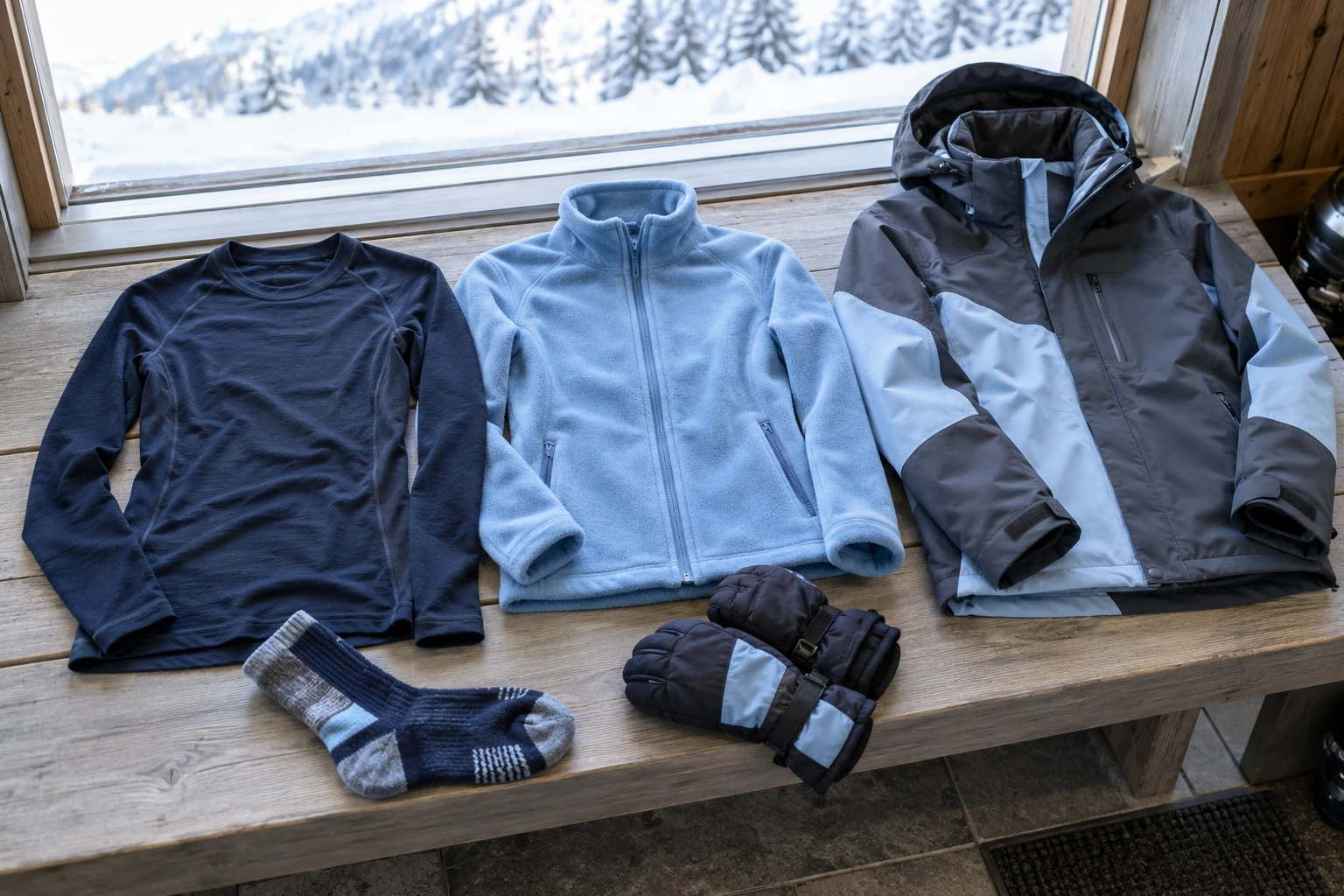
Separate the three jobs of clothing
Movement produces heat and moisture, while lift rides and waiting reduce activity. Managing layers is more flexible than putting on every thick item at once. A base layer helps move moisture, a midlayer provides insulation and an outer layer protects against wind and precipitation.
These are functions, not a rule to wear exactly three separate garments. An insulated jacket already combines some jobs, so an extra fleece may not be needed every day. Consider the forecast, wind, activity and how you feel.
- Base layer
Moves moisture away from the skin
- Insulating layer
Helps retain warmth
- Outer layer
Protects against wind and precipitation
More from the primary source: Salomon · the three-layer clothing system · Salomon · dressing for skiing and snowboarding
Start with what touches your skin
Choose a base layer suited to active winter use, fitting comfortably without bulky folds. Materials that stay wet are inconvenient when alternating movement and stops. Check the garment's actual fabric and care instructions rather than judging by appearance.
Wear one suitable sock inside the boot. Several pairs do not fix poor fit and add folds. Keep thick trouser cuffs outside; try boots with the sock you intend to ride in.
More from the primary source: Salomon · dressing for skiing and snowboarding
Check the fit of a jacket, trousers or suit
Raise your arms, squat, bend and fasten the zips. Clothing should not pull strongly at the shoulders, restrict the knees or leave the waist exposed. Excessively large sizes also interfere: extra fabric bunches and can catch on equipment.
Check cuffs with gloves, trouser legs with boots, and the collar and hood with a helmet. Use snow-protection features as intended for that model. A comfortable standing fit does not show how the whole system behaves in motion.
| Option | What to check at fitting |
|---|---|
| Jacket + trousers | Waist overlap when bending and movement in both garments |
| One-piece suit | Torso length, fit when squatting and ease during breaks |
| Either option | Fit with layers, boots, helmet and protective equipment |
Adjust warmth before overheating
Before an active section, check whether you are too warm and use the intended ventilation. Add warmth during a stop before becoming cold. A weather change is a reason to reconsider the plan, not test the limits of clothing.
Keep spare layers dry. If inner clothing is wet, another heavy jacket alone will not restore comfort. Dry spare mittens and socks are particularly useful for children and people spending time on beginner terrain.
More from the primary source: Salomon · the three-layer clothing system
What to bring when renting outerwear
Agree the available category and sizes beforehand. Wear your own base layers and bring socks for fitting. Confirm what is included: jackets, trousers, suits and gloves are separate items unless the offer says otherwise. Discuss personal layers and care of the rental garment at collection.
Keep this for your trip
Tick what is ready or copy the list to your notes. Ticks last while this page is open.
Sources behind this guide
Editorial guidance for preparing a rental trip. Technical points draw on primary sources; check resort rules and the instructions for your actual equipment before use.
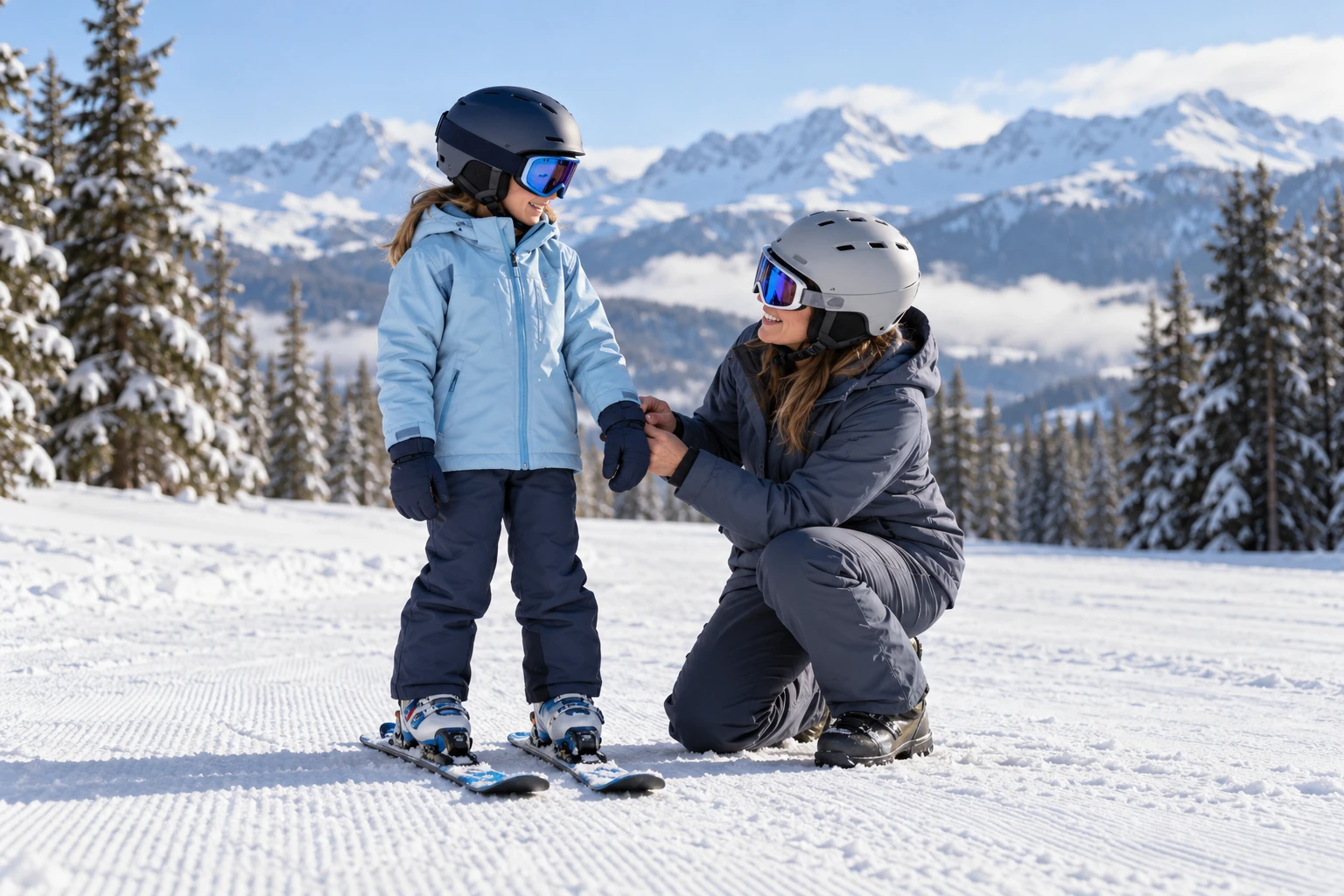
A child's first ski day, without the rush
Plan the lesson, fit a child's setup and leave room to enjoy the mountain.
Read guide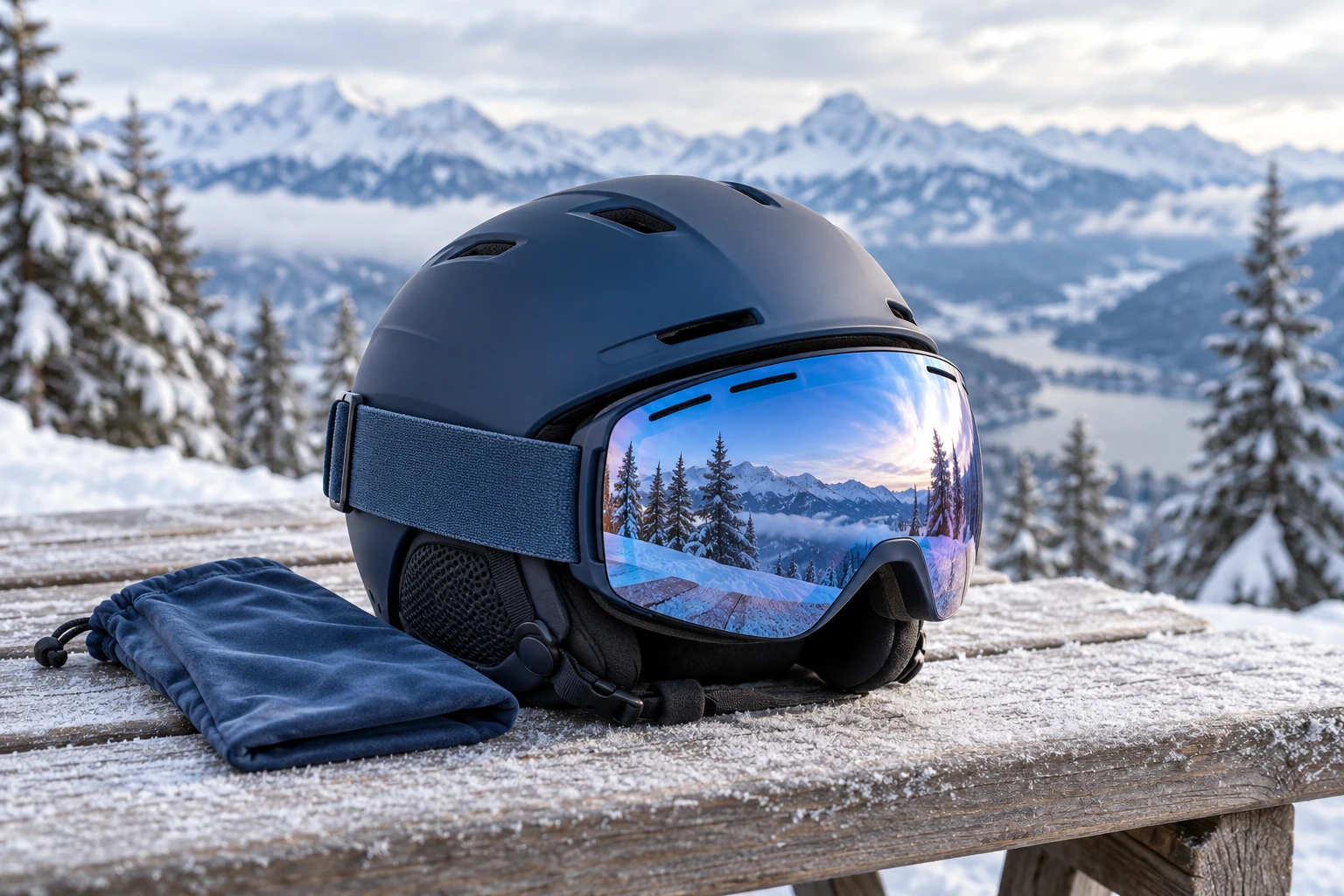
Snow goggles: light, fit and a clear view
Understand light transmission, fit goggles with your helmet and care for the lens.
Read guide
Skis or snowboard: where to start
Choosing your first sport and planning your first lesson in Sheregesh.
Read guide