


The measurements behind a good fit
Height, weight, shoe size and ability are the starting point for a comfortable setup.
All practical guides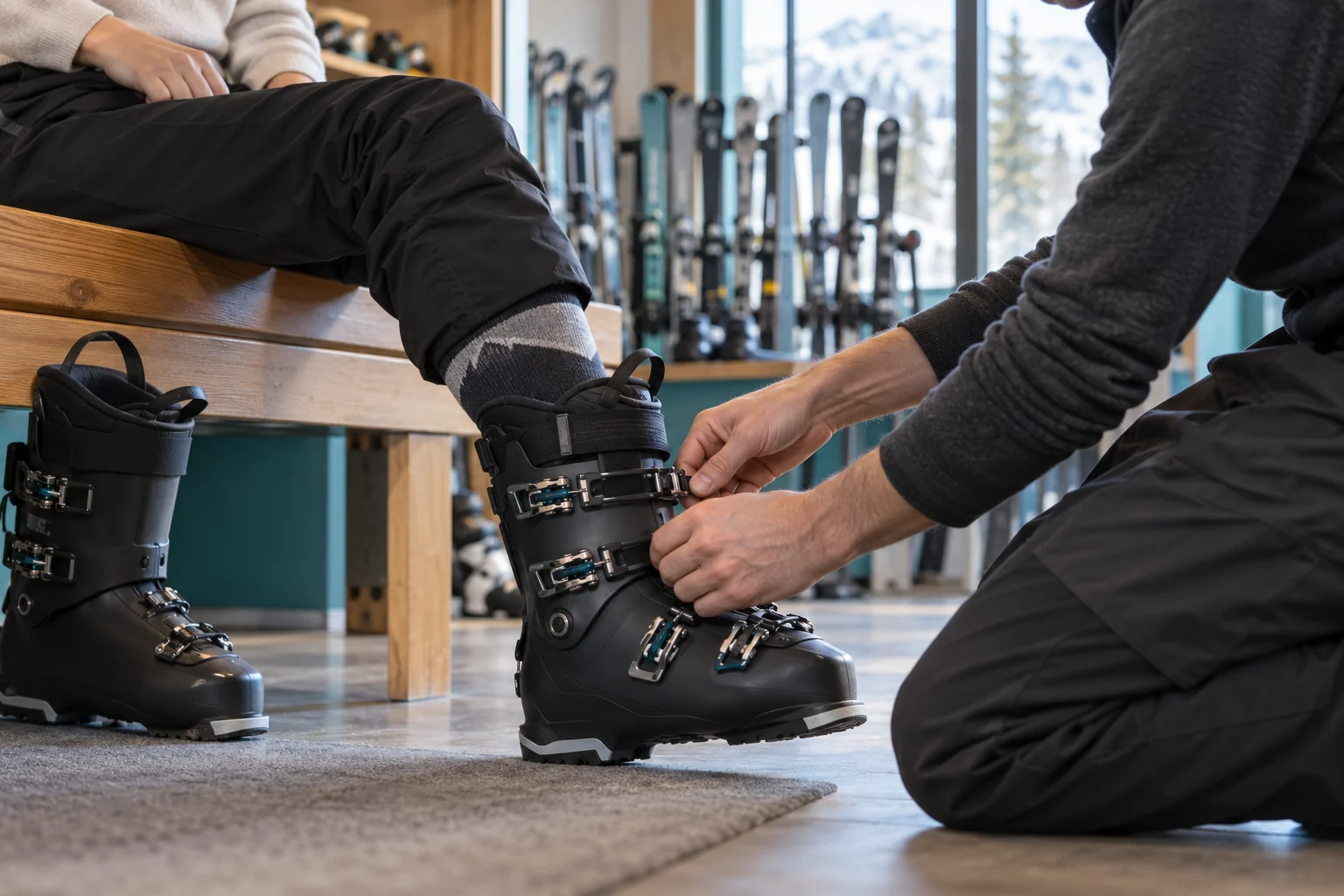
Describe the rider, not just a ski length
The same height does not mean the same setup. Weight, experience, sport, intended riding and personal preferences help the team narrow the choice. Use accurate information: overstating ability will not make equipment more comfortable, and an approximate weight is worth checking before collection.
In the SkiMobile catalogue, manufacturer specifications describe the product, while fitting criteria describe our preliminary assessment of suitability. These serve different purposes. A form result supports discussion with the team; it is not a remote binding adjustment or a guarantee of fit.
- Rider measurements
- Height and weight, plus age and experience
- Foot measurement
- Both foot lengths and feedback during fitting
- Equipment details
- Boot sole and binding compatibility
Foot length and BSL measure different things. Final checks happen at collection.
Measure both feet
Stand on paper on a level floor wearing a thin sock. Mark the heel and longest toe, then measure the distance in millimetres. Repeat for the other foot and report the longer measurement. If it looks very different from your usual size, measure again without curling your toes.
MondoPoint expresses foot length in centimetres: 265 mm is 26.5 cm. It is not a universal conversion to Russian or US sizes, and it is not the boot sole length. Use the familiar RU size in the Russian catalogue or US size in English, and use your foot measurement to refine the particular variant.
More from the primary source: Atomic · finding the right ski boot size
What to check during the fitting
Wear one sock without folds. Keep thick trouser cuffs and extra layers out of the boot. Ask for help with fastening; walk and take the position the staff demonstrates a few times. Check the heel, instep, width and shin pressure as well as length.
A loose boot does not become a good choice simply because it feels roomy at first. Pain, numbness and strong pressure points are reasons to stop and speak to the staff. Describe the location and sensation rather than trying to fix it by tightening everything as far as possible.
More from the primary source: Atomic · finding the right ski boot size
Match the boot, binding and ski or board
For skis, the boot sole type, binding compatibility markings and adjustment range matter. For a snowboard, check the system, binding size and how the boot sits inside it. A matching brand or colour does not confirm compatibility.
If part of your setup is your own, bring it for checking or share the exact model, size and markings in advance. A photograph helps preparation, but the final check is made on the equipment itself. Do not change ski binding release settings using an article as a guide.
| Information | Why it matters |
|---|---|
| Height, weight, age and experience | Initial choice of category and variant |
| Foot length and fitting feedback | Refining boot size and fit |
| Sole type, BSL and binding markings | Staff check of the ski setup |
| Snowboard binding system and size | Checking boot fit and compatibility |
What to include in the booking
Enter a separate profile for each rider and identify any equipment you already own. If a size is unknown, request staff fitting and explain your questions in the comment. Do not combine several people into one profile: even the same ski length does not mean the same setup.
The selected variant records your preference. Staff confirm availability, suitability and the final handover. Knowing the measurements and personal equipment beforehand leaves more time for the actual fitting.
Keep this for your trip
Tick what is ready or copy the list to your notes. Ticks last while this page is open.
Sources behind this guide
Editorial guidance for preparing a rental trip. Technical points draw on primary sources; check resort rules and the instructions for your actual equipment before use.
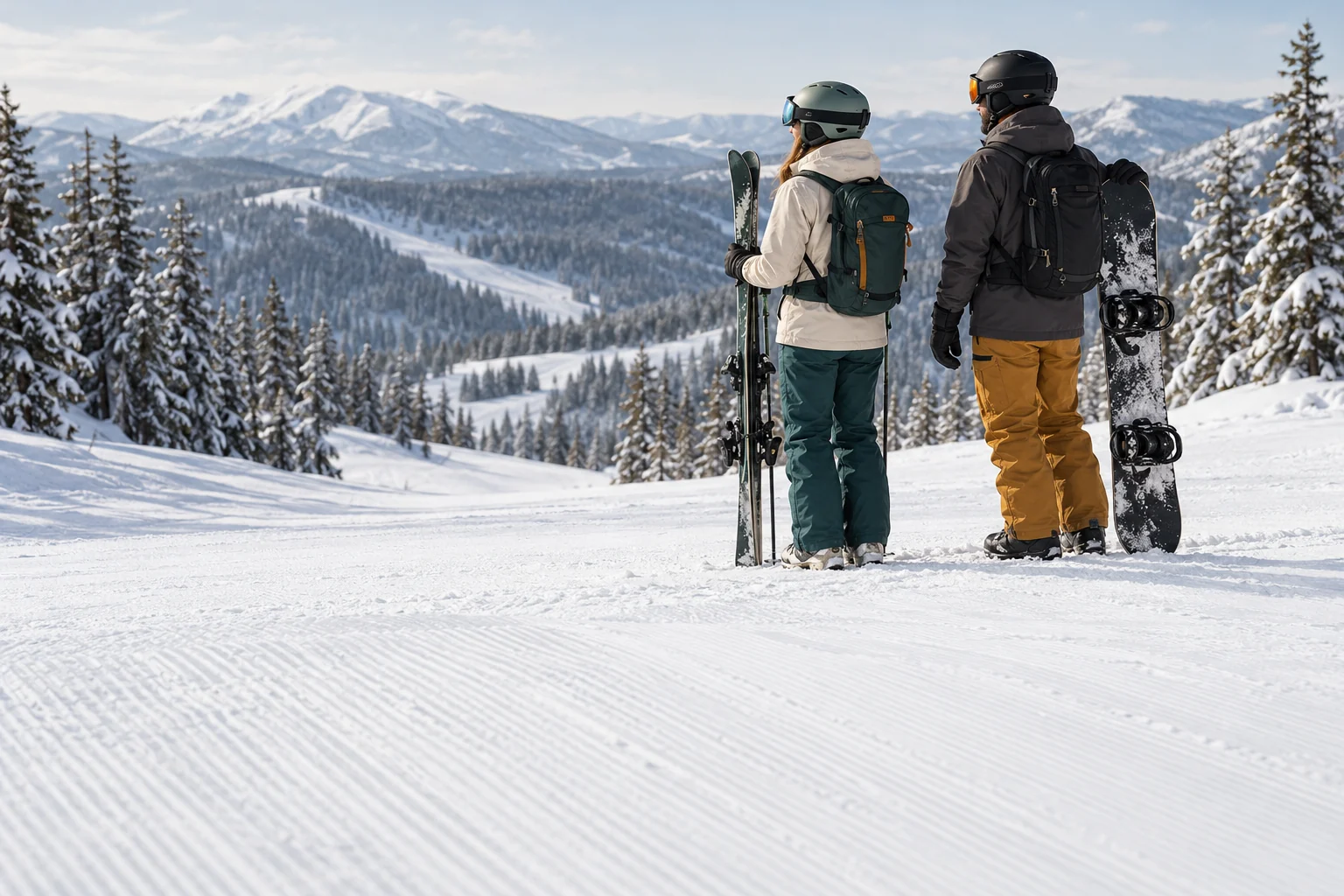
Skis or snowboard: where to start
Choosing your first sport and planning your first lesson in Sheregesh.
Read guide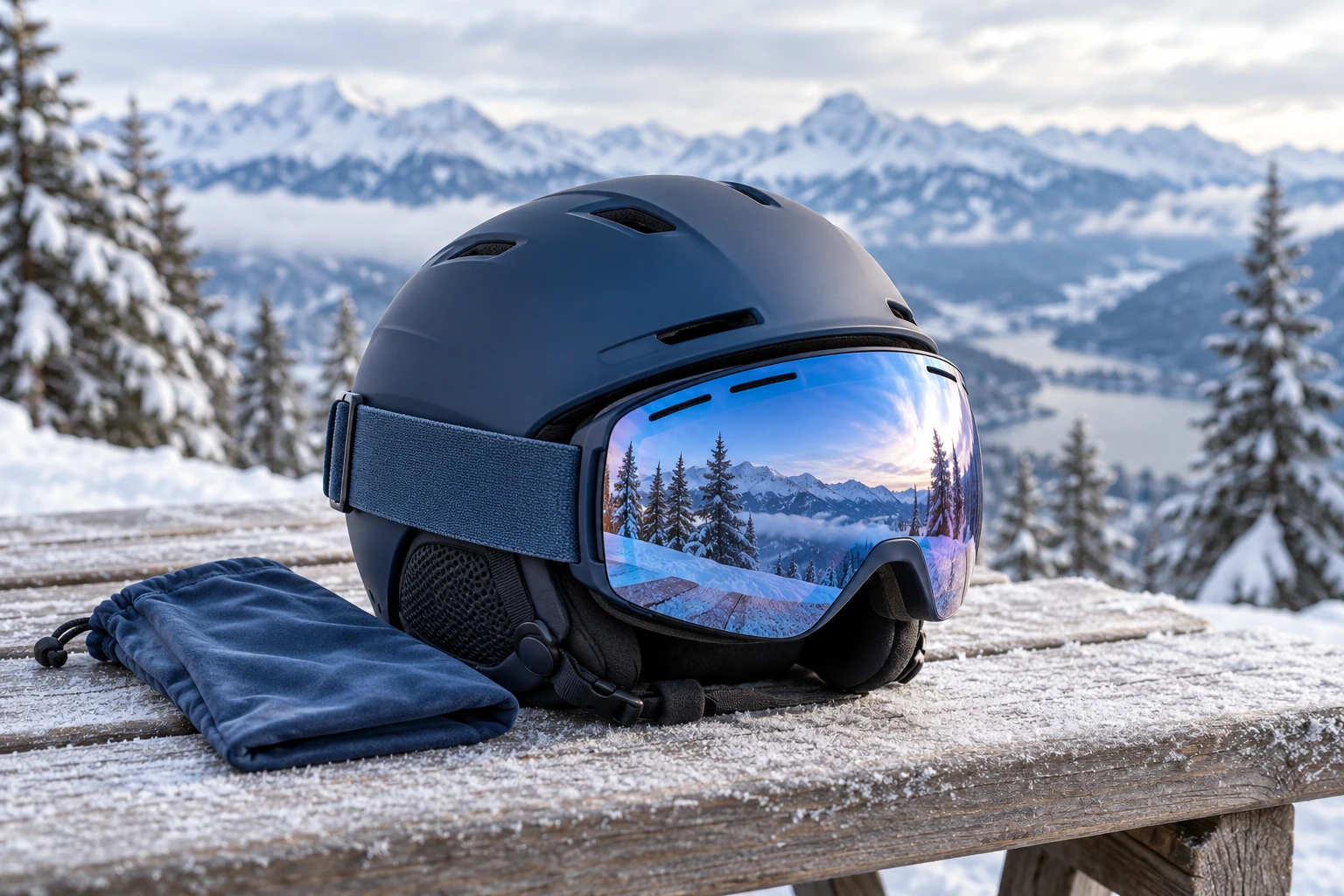
Snow goggles: light, fit and a clear view
Understand light transmission, fit goggles with your helmet and care for the lens.
Read guide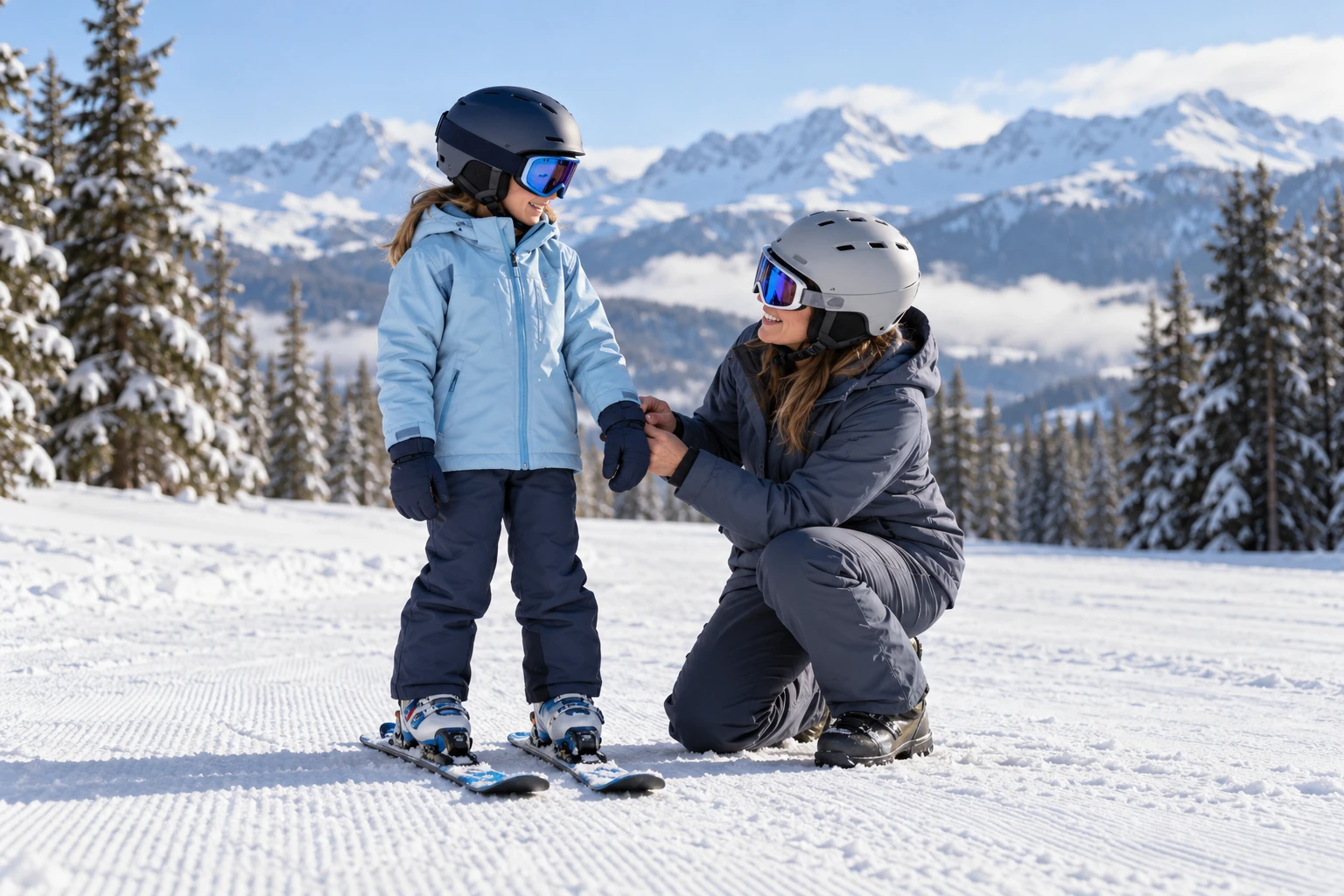
A child's first ski day, without the rush
Plan the lesson, fit a child's setup and leave room to enjoy the mountain.
Read guide